One of the most common misconceptions I see is the belief that if fault is clear, the insurance company will immediately accept responsibility. In reality, most insurance companies will not accept liability until they complete their own investigation, regardless of how obvious the crash may seem.
That investigation can take weeks. During this time, the insurer typically collects:
The official crash report
A recorded statement from the claimant (you)
A recorded statement from their insured driver
Statements from any witnesses
Photos, videos, and sometimes scene inspections
Until this process is complete, the insurance company often refuses to move forward with repairs, rental vehicles, or settlement discussions. This delay is frustrating, but it is standard practice.
Once liability is accepted, the insurance company will turn its attention to your vehicle damage. At that point, the carrier must determine whether your vehicle is repairable or a total loss.
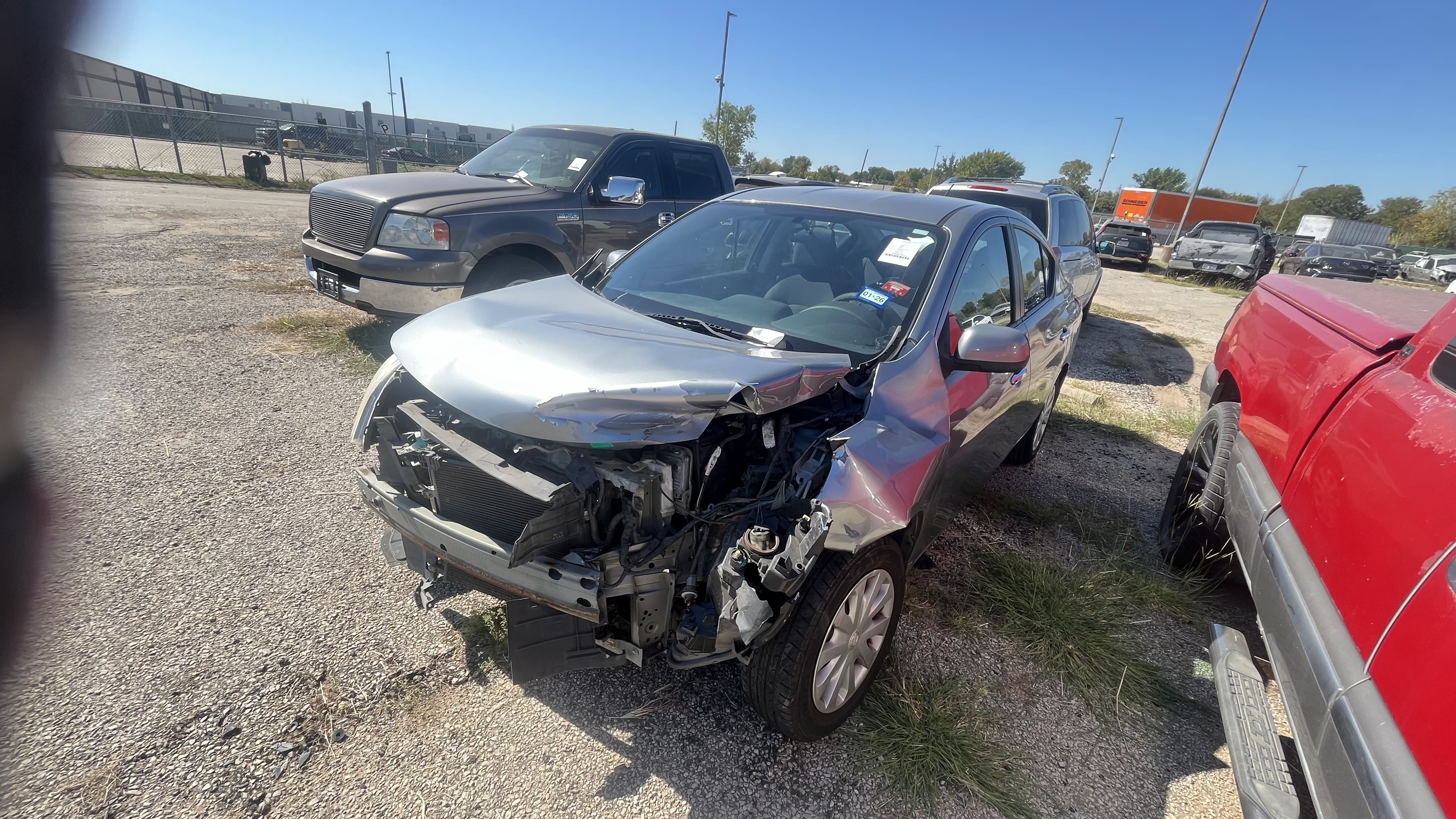
If the vehicle can be repaired, you have important rights:
You get to choose the collision repair center—not the insurance company.
The insurer must pay for reasonable repairs to restore the vehicle.
You are entitled to a rental vehicle while repairs are being completed.
Once repairs are finished, the property damage claim does not necessarily end there.
After a vehicle is repaired, it is no longer worth what it was before the crash. Even a perfectly repaired car now has a wreck history, which lowers its market value. This loss is known as diminished value.
Diminished value is typically:
A small percentage of the total repair cost
Paid after repairs are completed
Covered under the at-fault driver’s liability property damage coverage
If you have a lienholder on the vehicle, diminished value payments are often made payable to both you and the lienholder. In most cases, the claimant endorses the check and sends it to the lienholder, helping pay the vehicle off sooner than expected.
If the vehicle is deemed a total loss, the process is different. The insurance company will evaluate your car’s Actual Cash Value (ACV)—what it was worth immediately before the crash.
To determine ACV, insurers typically:
Search by VIN
Compare make, model, year, mileage, and condition
Look for similar vehicles in the market
Account for prior damage or previous accidents
It is important to understand what the insurance company does not owe you. They do not have to buy you a new car, upgrade your vehicle, or cover replacement costs. Their legal obligation is limited to paying the fair market value of your vehicle before the crash.
There is also no diminished value claim when a vehicle is declared a total loss.
Property damage claims—repairs, total loss, and diminished value—are paid under the defendant’s liability property damage coverage. However, bodily injury claims are entirely separate and are often where people make irreversible mistakes.
The at-fault driver’s bodily injury coverage is intended to compensate you for:
Past and future medical expenses
Lost wages
Loss of earning capacity
Pain and suffering
Other non-economic damages
Shortly after the property damage claim begins—or sometimes even before it is resolved—you can expect a bodily injury adjuster to reach out.
Insurance adjusters are trained to settle bodily injury claims as quickly and cheaply as possible. It is extremely common for them to offer what sounds like easy money—$5,000 to $10,000—shortly after the crash.
We have seen this scenario countless times:
Someone needs cash quickly
The offer sounds reasonable
They accept the settlement
Weeks or months later, they discover they need $30,000 or more in medical treatment
Here is the critical problem: once you settle, you are done forever.
Insurance companies require a signed release as part of any settlement. Sometimes, even depositing a check with language such as “full and final settlement” printed on it can legally close your case. After that, you cannot collect another dollar, no matter how severe your injuries become or how much medical care you ultimately need.
Our best recommendation to injured individuals is to put the bodily injury claim on hold for at least three months after the crash.
During that time:
Get evaluated by medical professionals
Listen to your body
Do not ignore pain, stiffness, numbness, or headaches
Allow enough time for injuries to fully reveal themselves
Many serious injuries—especially soft tissue injuries, disc herniations, and nerve damage—do not fully manifest in the first few days after a collision.
One of the biggest reasons people accept early, low settlements is fear of medical bills. If you have health insurance, use it. If you do not, a board-certified personal injury attorney can help.
At our firm, we routinely issue Letters of Protection (LOPs) to medical providers. These letters allow you to receive necessary treatment without paying upfront, with providers agreeing to be paid from the eventual settlement.
What the at-fault driver’s insurance company will not do is pay for ongoing treatment upfront unless you agree to settle your claim—and that settlement amount is rarely enough to cover the care you will actually need.
After more than five decades representing accident victims, my advice is simple: patience protects you. Insurance companies are not in a hurry to do what is right, and quick money often leads to long-term regret.
Understanding how liability investigations work, knowing your rights regarding vehicle repairs and diminished value, and resisting pressure to settle bodily injury claims too early can make a life-changing difference in your recovery—both physically and financially.
If you are unsure about your next steps, speaking with an experienced, board-certified personal injury attorney before signing anything may be the most important decision you make after a crash.
Locations
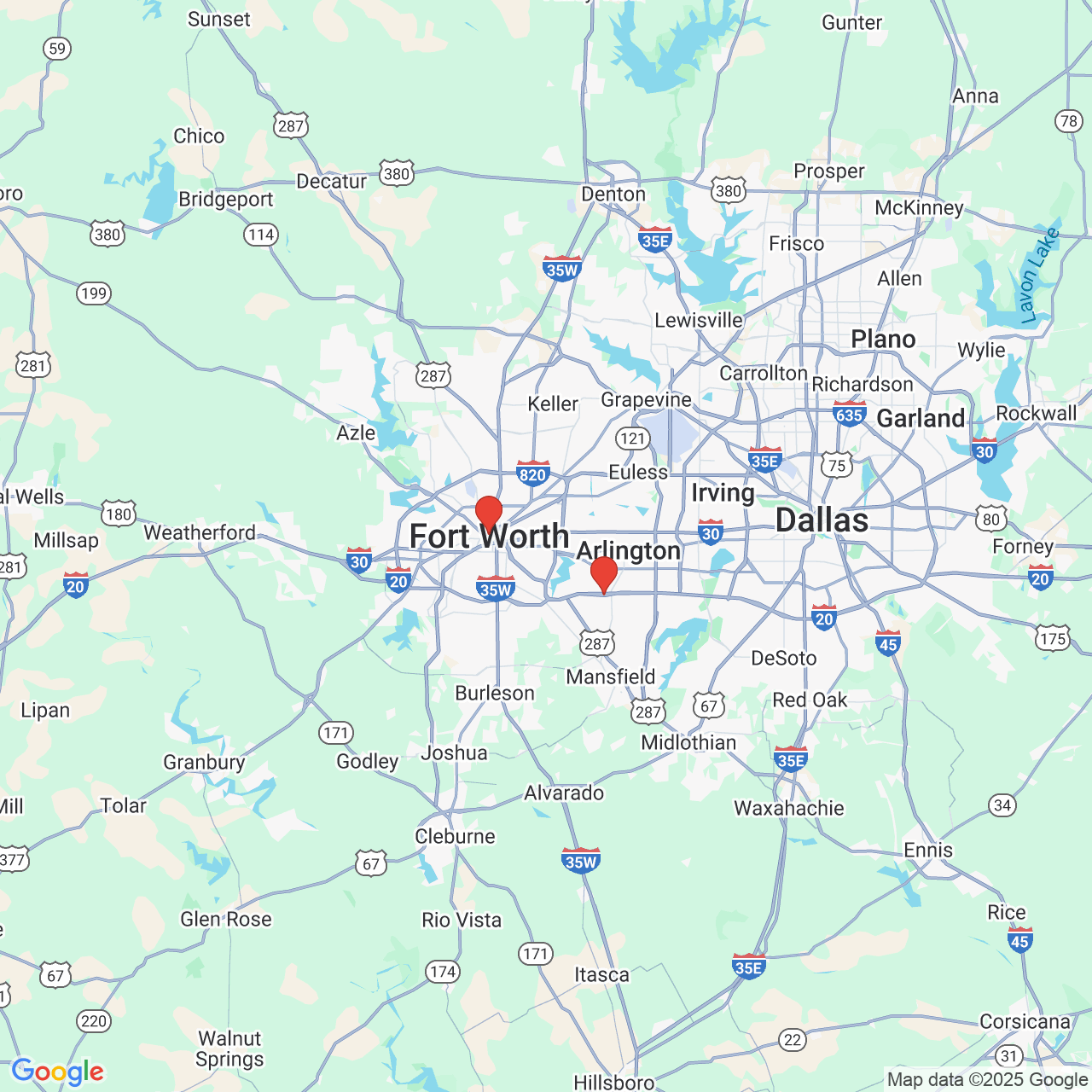
We have 2 locations to visit us at.